



4040 RO Reverse Osmosis Membrane from China Suppliers - High-Quality Factory Filtration Solutions
Product Description
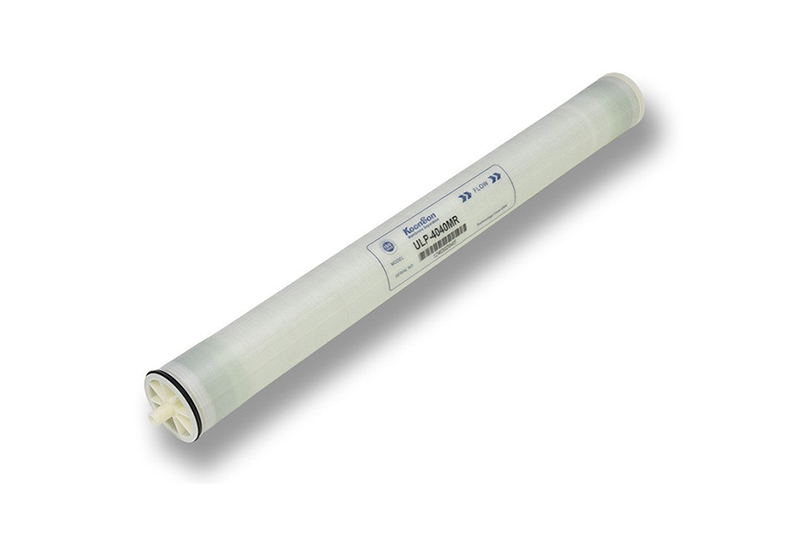
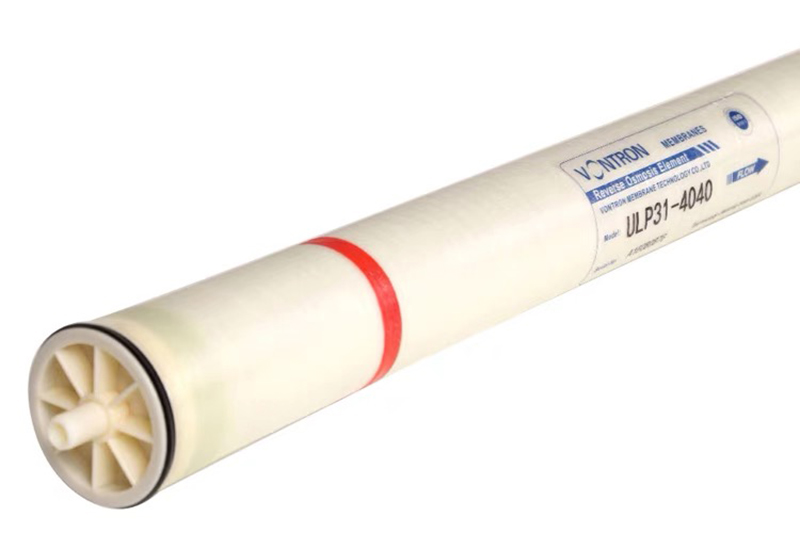
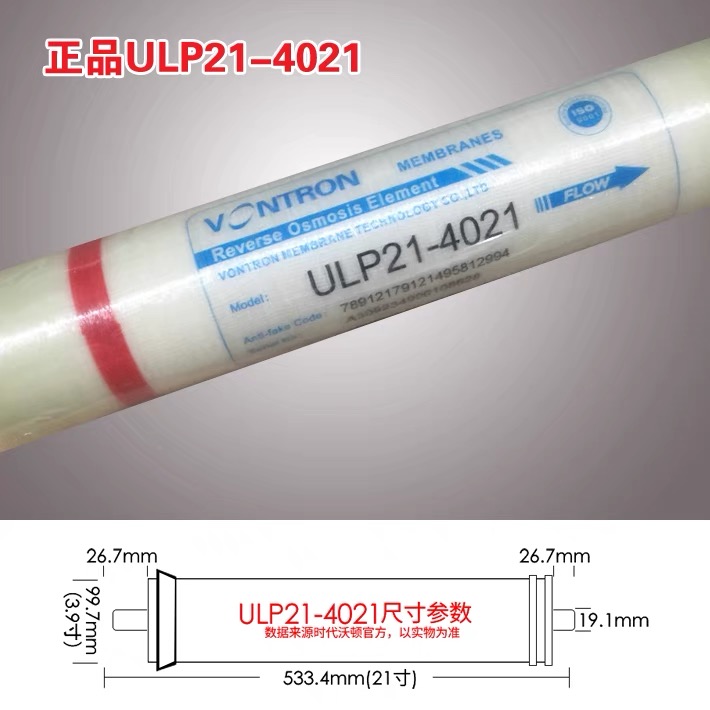
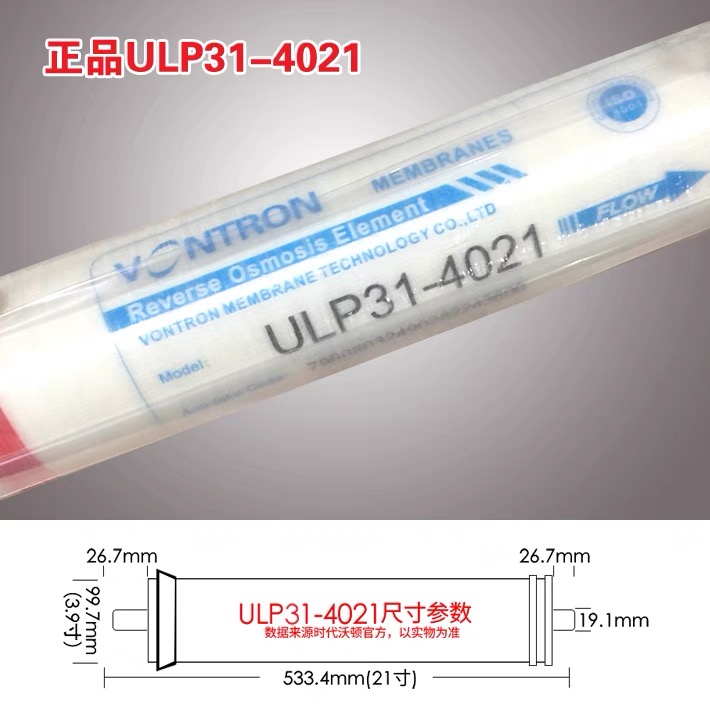
RO reverse osmosis membrane is a key component used in reverse osmosis membrane separation equipment. It is used to remove ions, microorganisms, organic substances, etc. in water to produce high-purity water. This membrane is usually made of semipermeable membrane materials with a microporous structure that can effectively filter impurities and dissolved substances in water.
The working principle of RO reverse osmosis membrane is to use high pressure to pass water through a semi-permeable membrane, thereby trapping dissolved substances and microorganisms in the water on one side of the membrane, while pure water passes through the other side of the membrane, thereby achieving water purification and separation.
RO reverse osmosis membrane is widely used in drinking water treatment, industrial wastewater treatment, seawater desalination, medicine, electronics, chemical industry and other fields. It plays an important role in providing high-purity water quality and is widely used in situations where high-quality water is required.
When selecting an RO reverse osmosis membrane, factors such as water quality, water production volume, operating pressure, membrane flux and rejection rate need to be considered. In addition, it is also necessary to pay attention to the pollution resistance, service life and after-sales service of the membrane.
The quality and performance of RO reverse osmosis membranes have an important impact on the efficiency and water quality of the water treatment system. Therefore, when selecting and using, it is necessary to make reasonable selection and configuration according to specific application requirements.
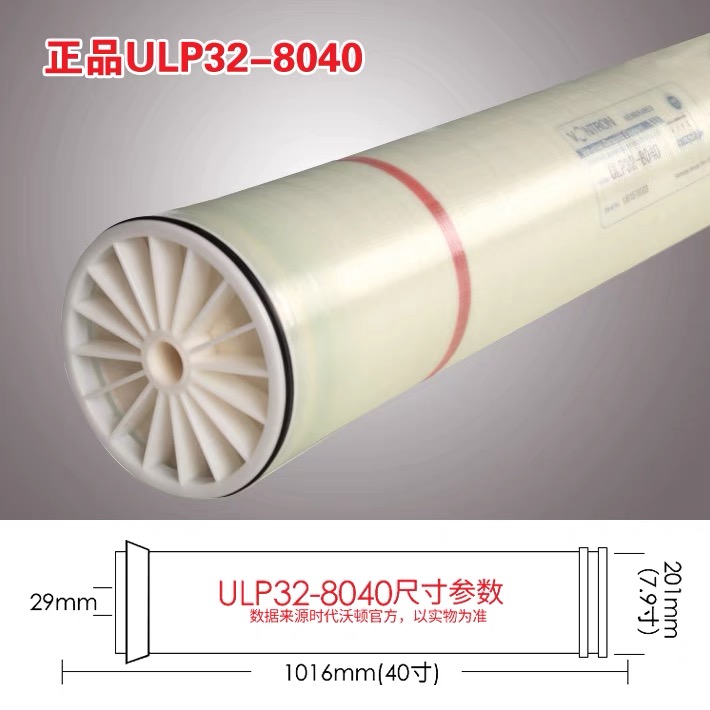
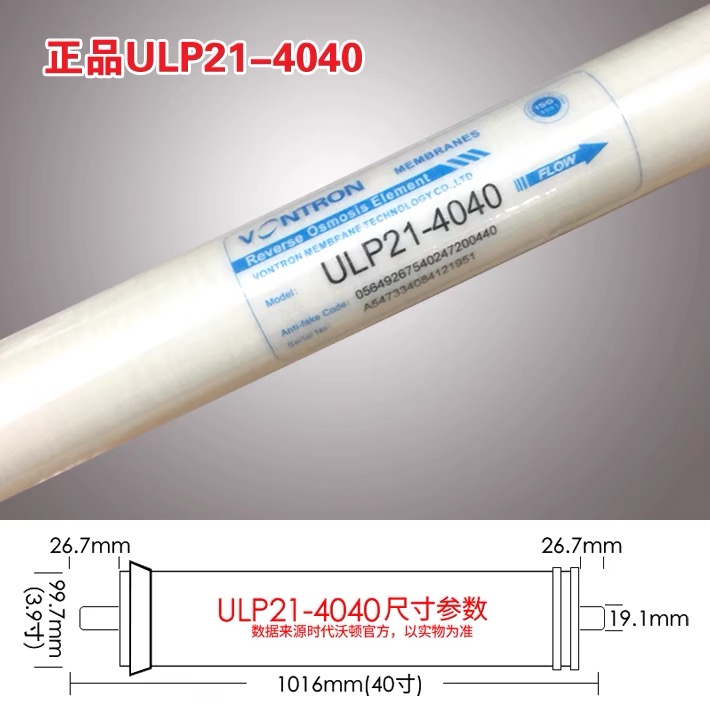
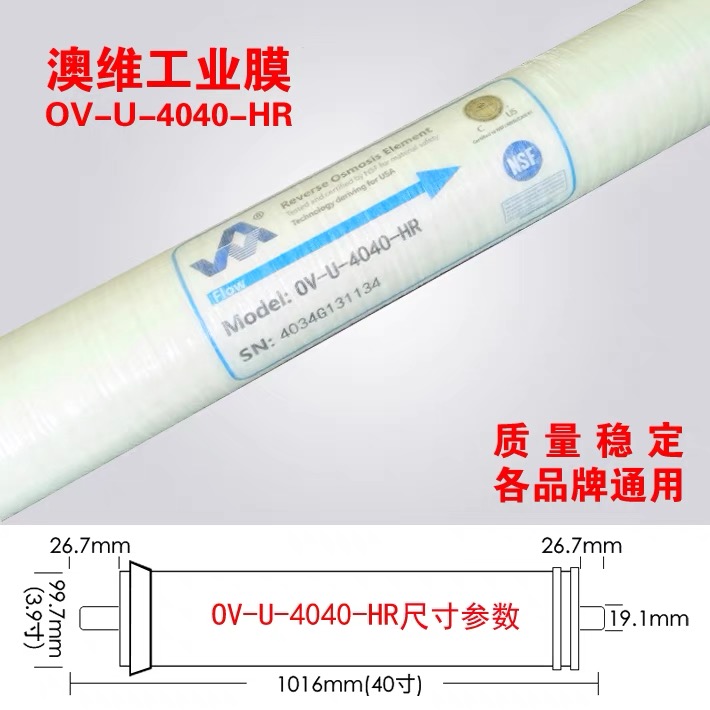
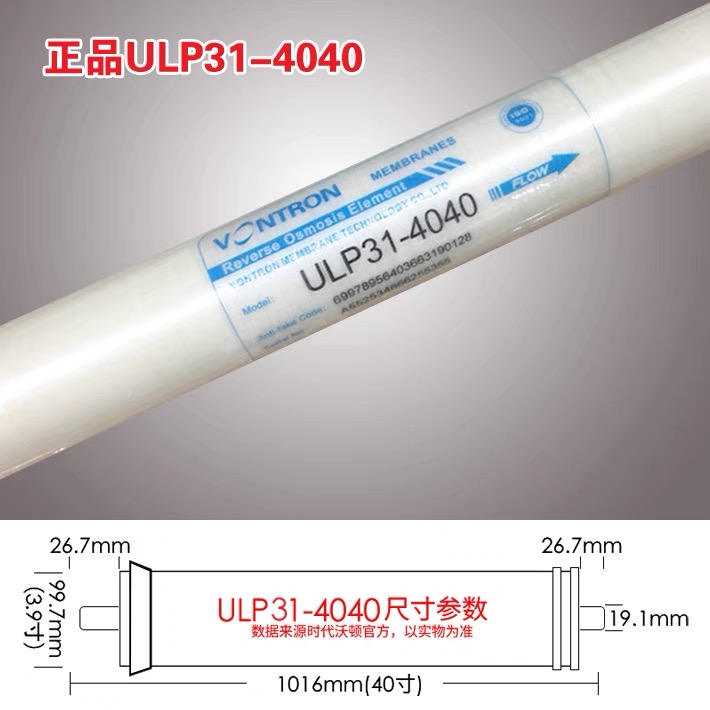
Product Display
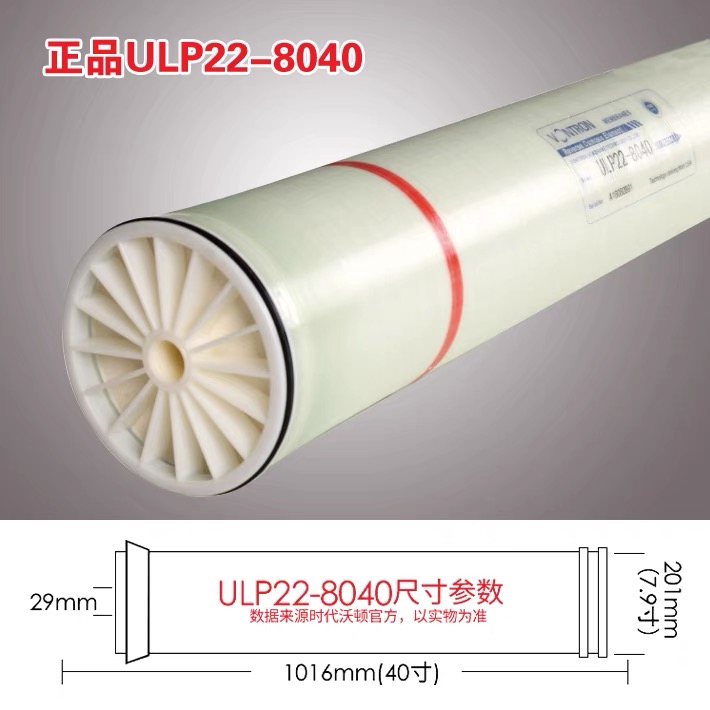
Frequently Asked Questions
Q1. What is the primary function of an RO reverse osmosis membrane?
The primary function of an RO reverse osmosis membrane is to remove ions, microorganisms, organic substances, and other dissolved impurities from water to produce high-purity water.
Q2. How does the RO membrane separation process work?
It works by applying high pressure to force water through a semi-permeable membrane. This membrane traps dissolved substances and microorganisms on one side, allowing only pure water to pass through to the other side.
Q3. In which industries are RO membranes commonly applied?
RO membranes are widely applied in drinking water treatment, industrial wastewater treatment, seawater desalination, medicine, electronics, chemical industries, and other fields requiring high-quality water.
Q4. What key factors should be considered when choosing an RO membrane?
Key factors include feed water quality, required water production volume, operating pressure, membrane flux, rejection rate, pollution resistance, service life, and available after-sales service.
Q5. Why is the quality and configuration of the RO membrane important?
The quality and performance of the RO membrane directly impact the overall efficiency and output water quality of the water treatment system. Proper selection and configuration ensure optimal system performance based on specific application needs.