



High-Quality Stainless Steel Bag Filter for Water Treatment - China Suppliers & Factory Solutions
Product Description
Application Fields
Bag filters are commonly used in industrial production in chemical, food processing, pharmaceutical, oil fields and other fields.
System Components
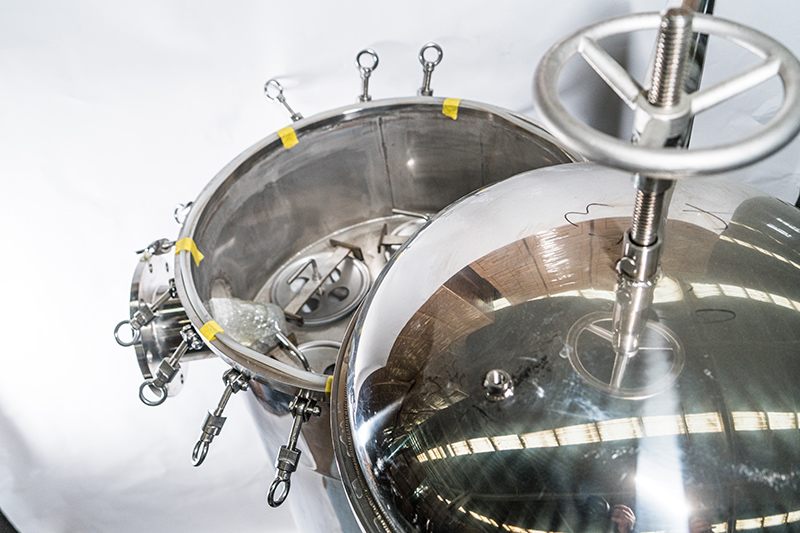
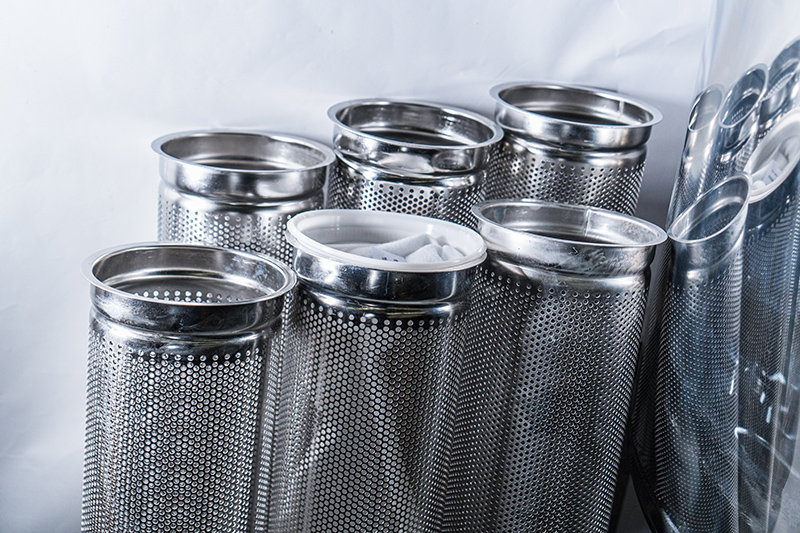
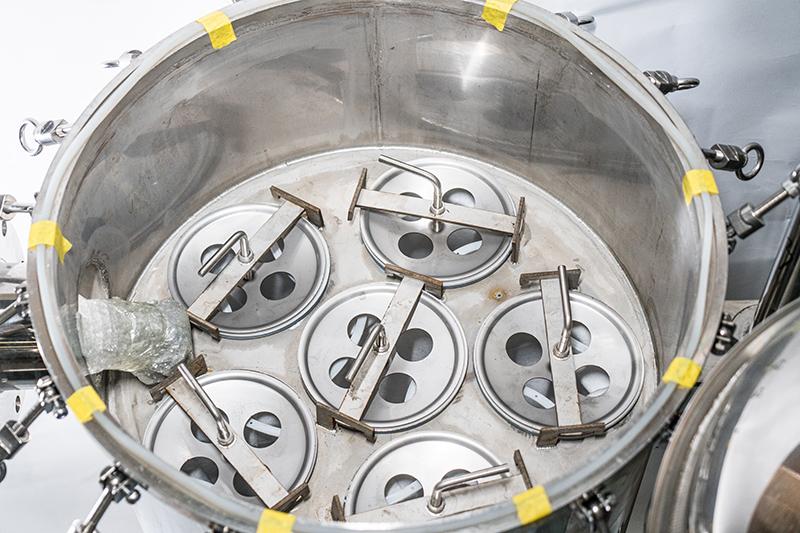
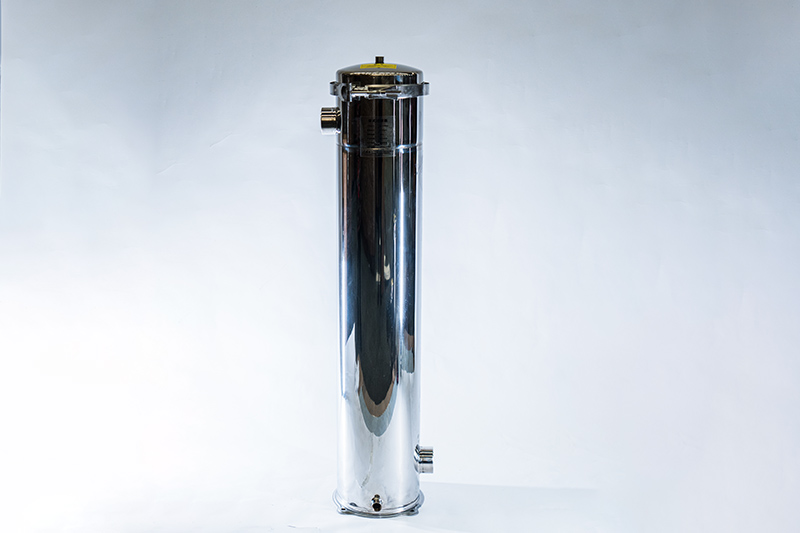
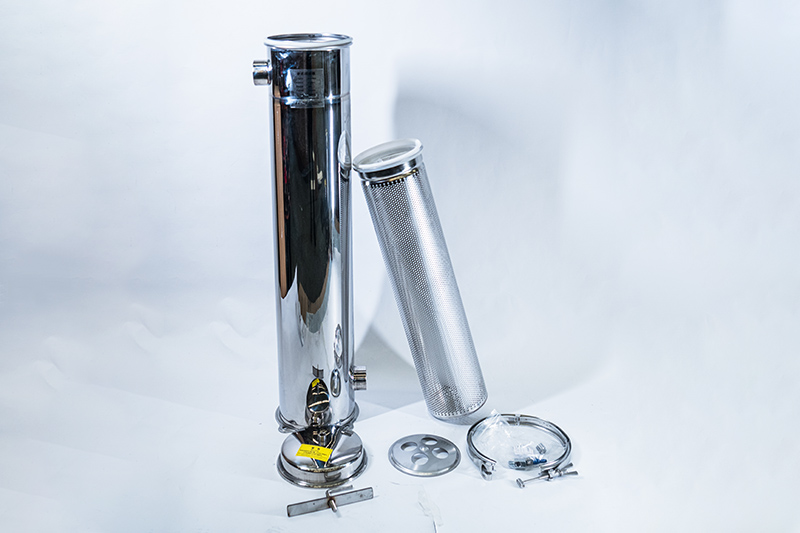
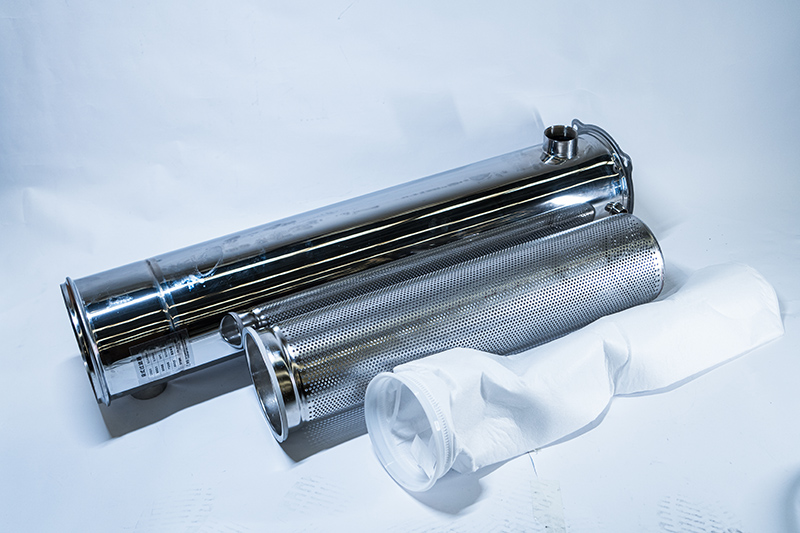
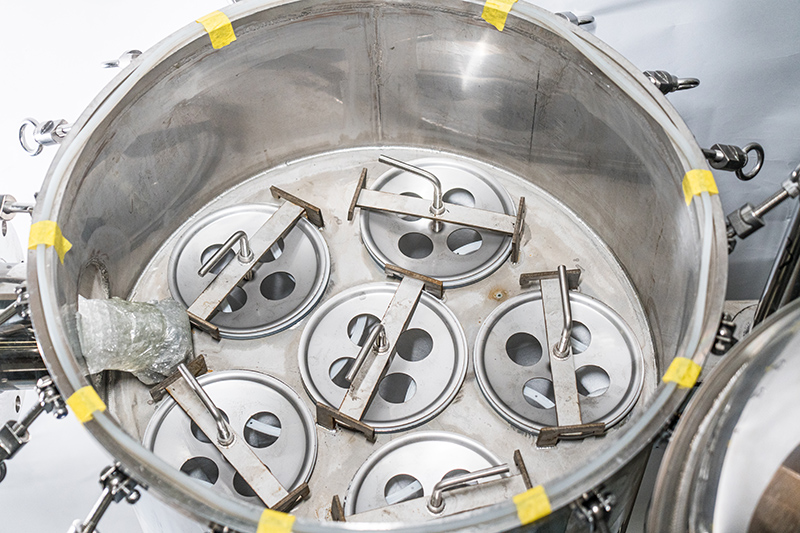
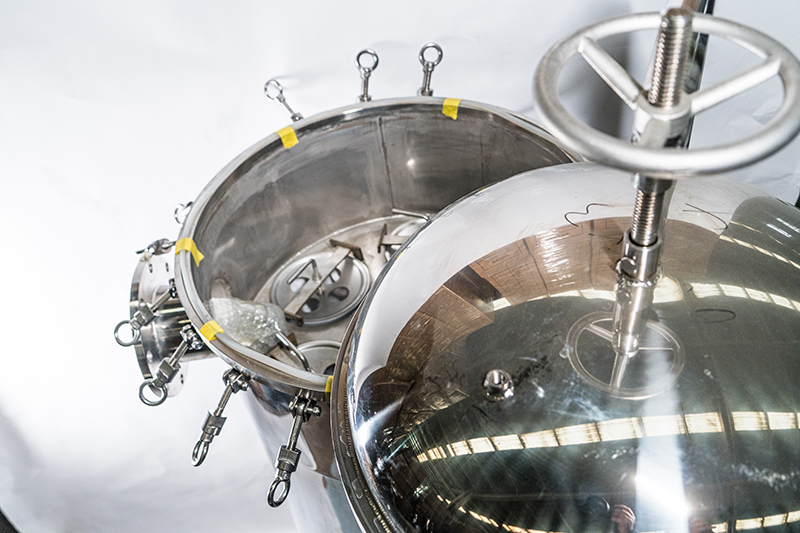
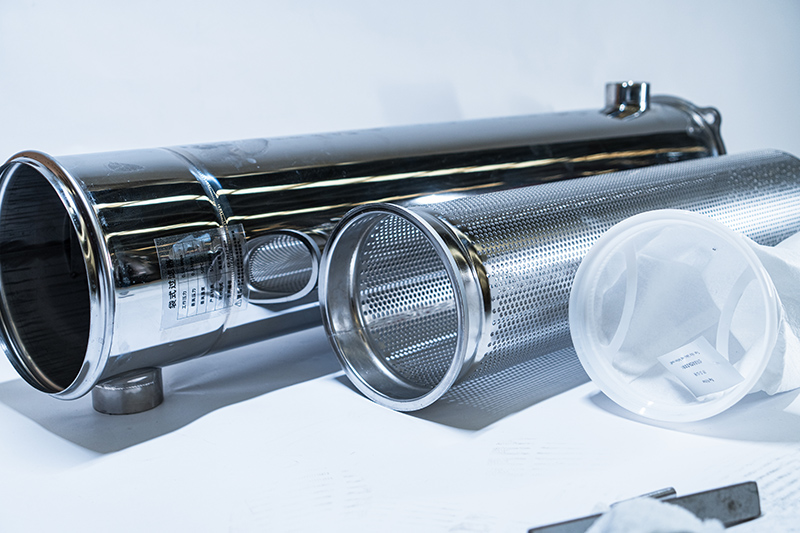
Bag filters usually consist of filter housing, inlet and outlet pipes, support baskets, filter bags and other components.
Key Advantages
Its advantages include simple structure, easy operation, large filtering area, and good filtering effect. Filter bags of different materials can be chosen to meet different filtration needs.
Product Display
Frequently Asked Questions
How does a bag filter work?
A bag filter works by passing liquid through a replaceable filter bag installed inside the filter housing. The filter bag traps solid particulate matter inside while allowing the clean, filtered liquid to pass through and exit the system.
What are the main components of a bag filter system?
A standard bag filter system consists of a filter housing, inlet and outlet pipes, an internal support basket to hold the bag, and the replaceable filter bags themselves.
In which industries are bag filters commonly used?
Bag filters are widely used in industrial production across various fields, including chemical processing, food and beverage processing, pharmaceuticals, oil fields, and water treatment systems.
What are the main advantages of using bag filters?
Key advantages include a simple structure, easy operation and maintenance, a large filtering area, and highly effective filtration. Additionally, filter bags are available in various materials to suit different liquid properties and process requirements.
How do you maintain a bag filter system?
Regular maintenance requires operators to replace the filter bags periodically, clean the filter housing, and inspect the components to ensure optimal filtration performance and prevent pressure drops.
How do I choose the right bag filter configuration?
Selecting the right bag filter requires reasonable design and configuration based on your specific process requirements, flow rates, and the chemical/physical characteristics of the liquid being filtered.