Products / Textile & Dyeing
Stainless steel filtration and water treatment equipment for textile mills and dyehouses — multi-bag housings for lint and fibre removal, high-temperature dye liquor filtration, FRP multi-media and softening tanks, and 8040 membrane housings for effluent RO reuse.
Textile wet processing — desizing, scouring, bleaching, dyeing, printing and finishing — is one of the most water-intensive stages in manufacturing. A dyehouse typically uses 100–200 litres of water per kilogram of fabric, and discharges an effluent that is hot (often 60–90 °C), strongly coloured, alkaline and loaded with fibre, starch, spent dye and salt.
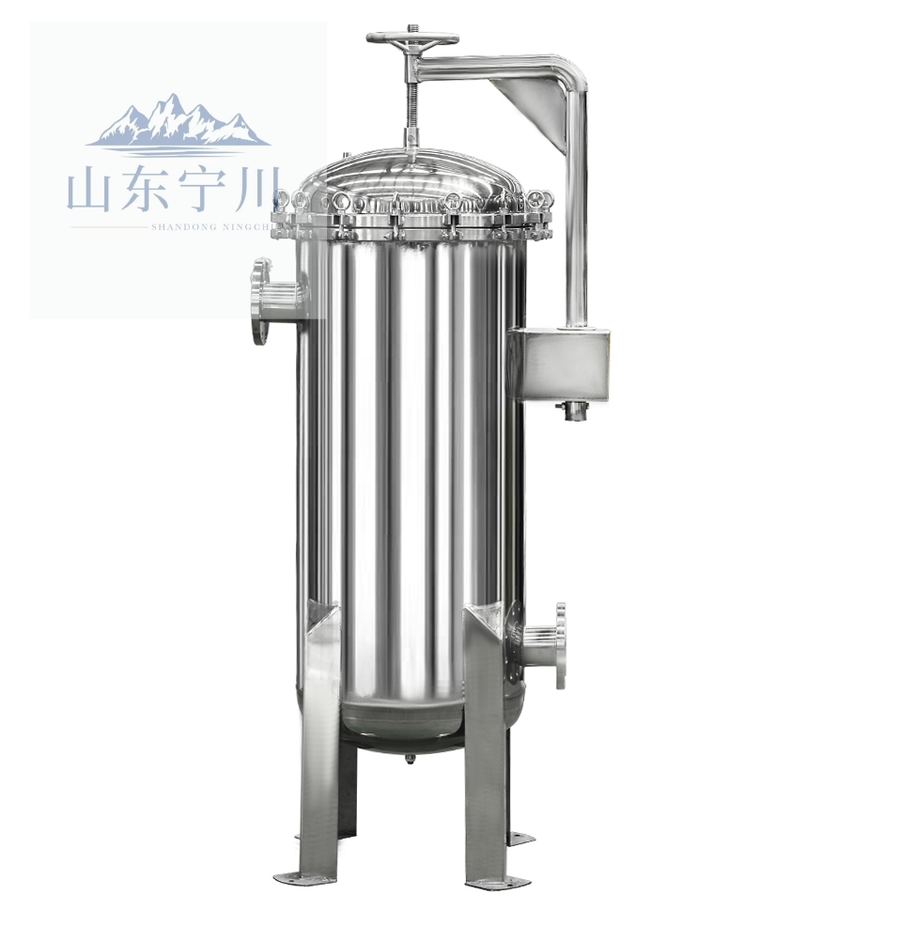
Shandong Ningchuan manufactures the stainless steel filtration and water treatment equipment that sits inside that process: multi-bag filter housings to catch lint, fibre and print paste; high-temperature vessels for dye liquor; FRP pressure tanks for multi-media, carbon and softening; and 8040 membrane housings for the reverse-osmosis stage that turns treated effluent back into usable process water.
We are a manufacturer, not a trading company — every vessel is cut, welded, polished and pressure-tested in our own workshop in Linyi, Shandong. Send us your flow rate, water temperature, pH and target micron rating and our engineers will propose the right configuration free of charge, usually within one working day.
| Vessel material | SS304 / SS316L (FRP for media and softening tanks) |
|---|---|
| Filtration rating | 25 – 200 µm bag media for lint and fibre; 1 – 20 µm cartridges ahead of RO |
| Flow range | 10 – 400 m³/h per vessel; multi-vessel skids available |
| Max. working temperature | 120 °C (seal dependent); PTFE seals for dye liquor above 100 °C |
| pH range | 2 – 12, depending on body material and seal selection |
| Design pressure | 0.6 / 1.0 / 1.6 MPa (150 / 225 PSI), higher on request |
| Bag sizes | #1 (φ180 × 430 mm) and #2 (φ180 × 810 mm) |
| Cartridge sizes | 10 / 20 / 30 / 40 inch; 222 / 226 end caps |
| FRP tanks | φ350 – φ1800 mm, side or top port, automatic multiport valve |
| Membrane housings | 4040 and 8040, 1–6 elements, 300 – 1000 PSI |
| Connections | ANSI / DIN / JIS flange, thread or clamp; test certificates on request |
Specifications above are our standard range. Custom sizes, materials, ports and pressure ratings are available — please send your working conditions for a tailored offer.
From lint removal to effluent reuse
Multi-bag housings installed after the equalisation tank catch fabric fibres, lint and print paste before they blind the membranes downstream.
SS316L single and multi-bag vessels with Viton or PTFE seals for dye baths at 80–130 °C, where ordinary seals harden, weep and fail.
FRP pressure tanks for multi-media, activated carbon and resin softening — the pretreatment that protects the RO stage from hardness and colour.
8040 stainless membrane housings in the reuse train that lifts treated effluent back to process-water quality and cuts fresh-water intake.
Not sure which model fits your project? Send us your flow rate, liquid and filtration requirement — our engineers will recommend the right configuration, free of charge.
Get Free Selection Advice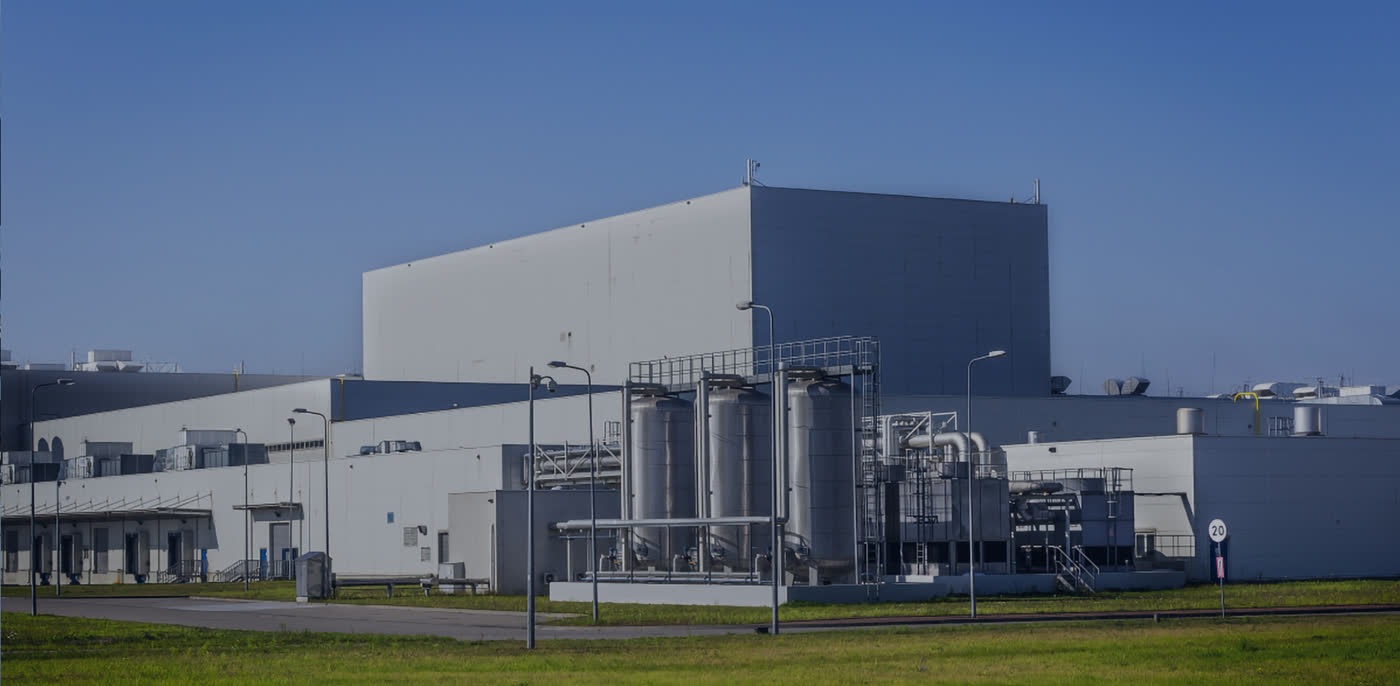
Common questions from overseas buyers about textile & dyeing water treatment equipment — click a question to expand.
We supply the filtration and pretreatment components: bag filter housings after the equalisation tank to remove lint, fibre and print paste; cartridge filters ahead of the RO stage for 5 µm membrane protection; FRP tanks for multi-media, activated carbon and softening; and 4040 / 8040 membrane housings for the RO reuse stage. We build components rather than a turnkey plant, so they drop straight into your existing line or into your EPC contractor's design.
As a rule: 100–200 µm bags for raw effluent carrying lint and fibre, 25–50 µm after chemical dosing and flocculation, and 5 µm cartridges immediately ahead of the RO membranes. Going finer too early only blinds the bags faster and raises your consumable cost — filtration is staged, not maximised at the first step.
Yes, up to about 120 °C with the right seal. EPDM covers most hot-water duty; for dye baths and print paste above 100 °C, or where solvents and strong alkali are present, we fit Viton or PTFE seals and can supply a jacketed vessel to hold temperature. Tell us the liquid, its temperature and the concentration and we will confirm the combination.
SS316L handles the alkaline, salt-laden effluent typical of reactive dyeing well, and is our standard recommendation for wet-processing duty. For high-chloride streams or hypochlorite bleach lines we specify PTFE seals and, where needed, special-alloy wetted parts. Send the pH, chloride level and temperature and we will confirm the material.
Typically 60–75% for biologically treated dyehouse effluent, but the real figure depends on upstream treatment, salt content and the permeate quality you need. Fouling control — good staged pre-filtration plus antiscalant dosing — matters more to uptime than the vessel itself. We size housings and pre-filters to your design flux.
Standard bag and cartridge housings ship in 7–15 working days, FRP tanks and custom vessels in 15–25 days, and RO skid components in 20–30 days. We accept trial orders from 1 piece, with tiered pricing above 10 and 50 pieces, and ship FOB Qingdao with full export documentation.
Filtration and water treatment equipment for other process industries we supply.
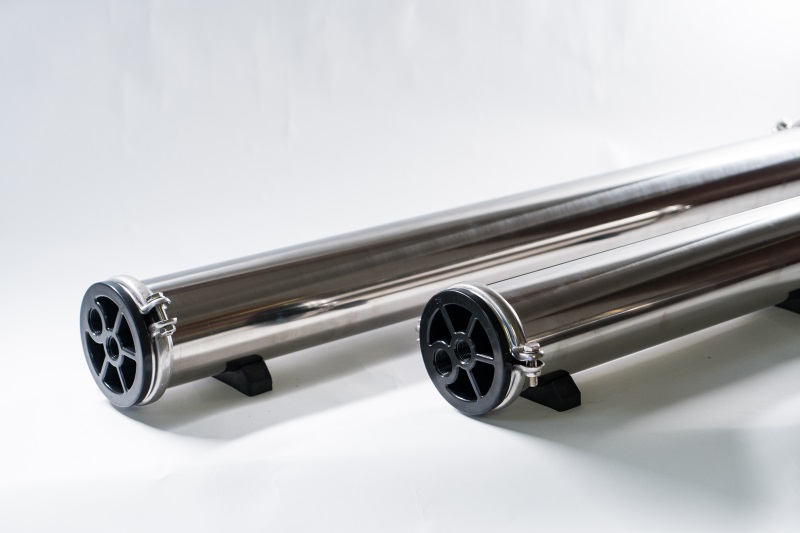
Sanitary SS304/SS316 membrane housings for 4040 & 8040 RO and UF elements.
View Details →High flow 6-bag filter housing for large volume filtration.
View Details →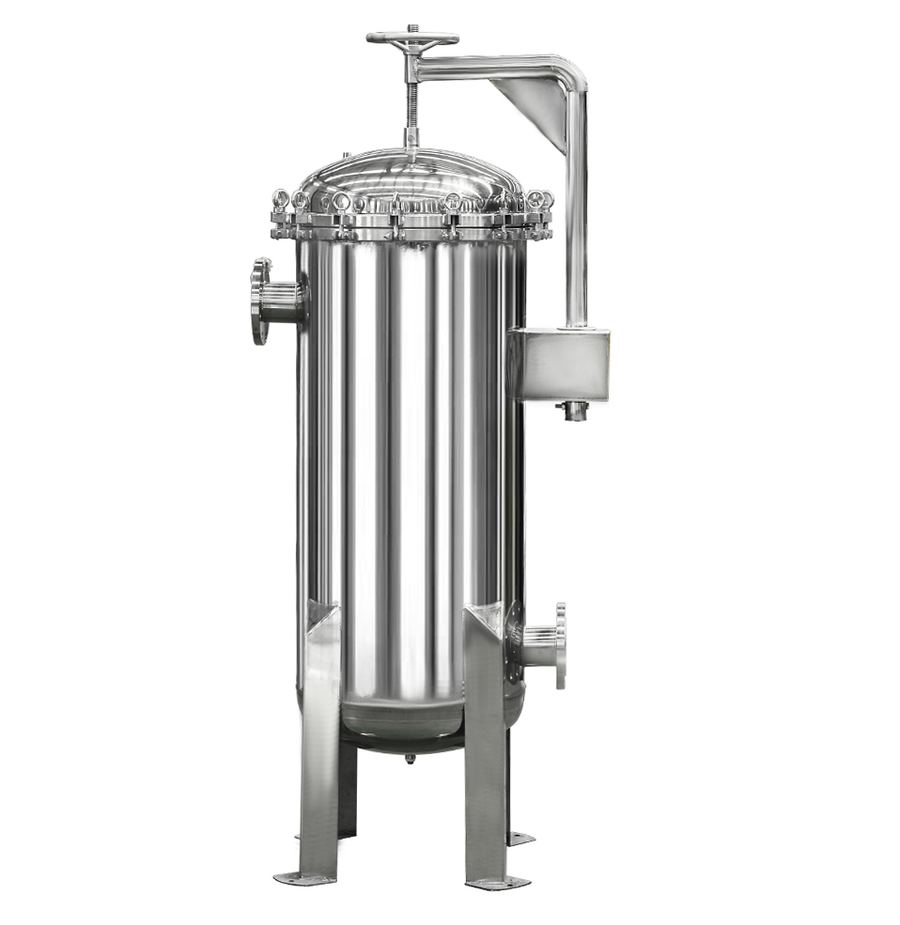
Sanitary stainless steel bag filter housing, widely used across industries.
View Details →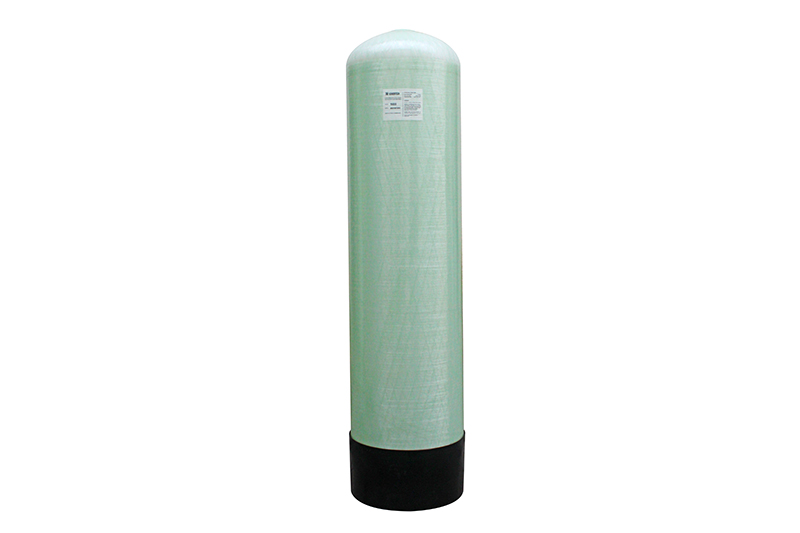
FRP and stainless steel tanks for sand & carbon mechanical filtration.
View Details →